
Current Projects

Multi-generational effects of poor maternal nutrition.
Poor maternal nutrition during gestation decreases metabolism, increases oxidative stress, and increases pro-inflammatory mediators, which can decrease offspring growth and feed efficiency. However, the relative importance of each mediator to reduced growth rate due to poor maternal nutrition is not well understood, and the mechanisms by which these changes are transmitted to future generations remains ill-defined. The central hypothesis for this USDA-NIFA funded project is that poor maternal nutrition during gestation causes multi-generational negative effects to offspring oxidative status, inflammation, and metabolism that are correlated with changes in F1 and F2 offspring growth, feed efficiency, and sex.
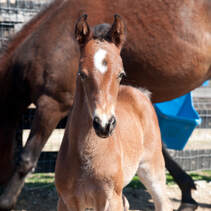
Understanding the role of maternal body condition during gestation on mare metabolism and foal growth outcomes.
Mare body condition during gestation can impact metabolic outcomes for both the mare and foal. This study seeks to understand how moderate differences in body condition affect a mare’s ability to handle glucose during late gestation and lactation. Further, we are interested in identifying how these differences affect foal growth.

Nutritional strategies for the management of beef x dairy crossbred calves.
Beef x dairy crossbred calves are an opportunity for dairies to produce additional meat animals while maintaining milk production. This NE SARE funded project focuses on nutritional strategies to manage these calves, from birth to slaughter.
Previous Projects
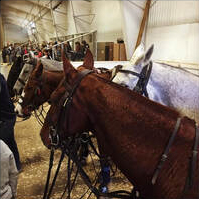
Effects of deconditioning and reconditioning on oxidative stress in the horse.
Exercises causes physiological changes in the muscle. Most horses go through periods of conditioning and deconditioning. In particular, reconditioning following a period of rest can cause increased damage in the muscle. The goals of this project are to determine how the deconditioning/reconditioning process alters the oxidative status of the horse and if supplementation with an antioxidant can reduce muscle damage during reconditioning.
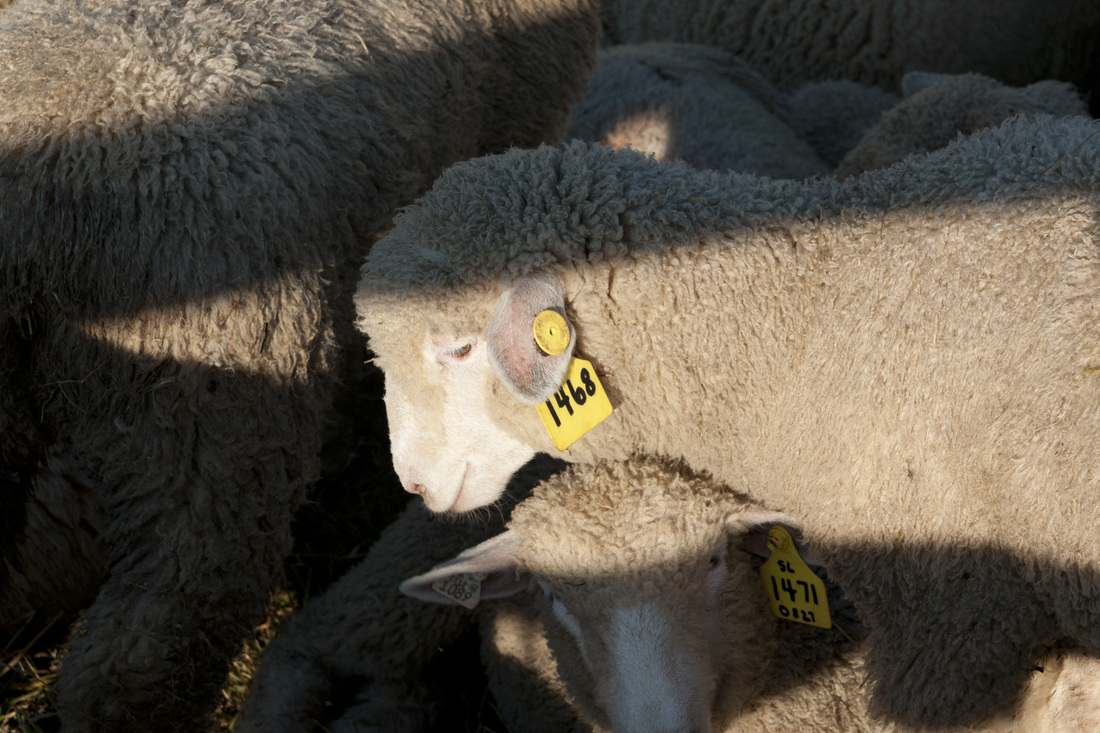
Effects of restricted maternal nutrition and realimentation on muscle development in the offspring.
Realimentation, or the process of re-feeding following a period of nutrient restriction, may be a mechanism to ameliorate the negative effects of restricted nutrition during gestation. The objectives of this project are to determine the effects of restricted-feeding followed by a period of realimentation during gestation on the growth and development of muscle fibers. This project is currently funded by USDA-NIFA.
Effects of maternal diet on muscle development in the offspring.
Poor maternal nutrition during gestation (obesity or starvation) can have drastic effects on the development of the offspring. Our lab, in collaboration with the labs of Drs. Kristen Govoni and Steven Zinn, uses an ovine model to assess the effects of under- and over-nutrition on the development of the offspring. In particular, our lab is interested in the changes in muscle development due to poor maternal nutrition during gestation. We are currently investigating the effects of under- and over-nutrition on muscle satellite cell function during development and in the post-natal offspring. This project was funded by USDA-NIFA.
Regulation of satellite cells during cancer cachexia.
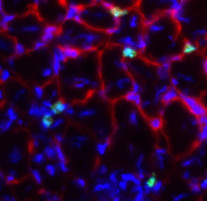
Cachexia is the loss of muscle and body weight that is not responsive to increased nutrition that accompanies diseases such as cancer, congestive heart failure, and chronic kidney disease. Increased loss of muscle mass in tumor-bearing individuals is positively related to mortality rates. The release of pro-inflammatory cytokines by tumors drives the loss of muscle mass during cachexia. Interleukin (IL)-6 is a cytokine that has pleiotrophic effects on muscle. We are interested in the effects of IL-6 on satellite cell function during cancer cachexia.
Characterization of equine satellite cells.
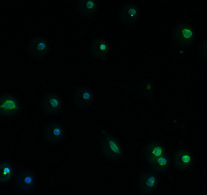
An additional focus of our lab is the characterization of equine satellite cells from horses and their response to inflammatory cytokines. The focus of this project is to identify specific cytokines that influence satellite cell function. As part of this project, we have also undertaken an ultrasonography project to characterize how muscle mass changes with age in horses.